

A friendly guide to giving your puppy the best possible start
Bringing home a new puppy is one of the most exciting moments for any dog lover. Our 7 tips for new puppy owners will help those tiny paws, wagging tails, and curious noses quickly become part of the family. But as any experienced dog owner will tell you, the first few months are also when puppies learn the habits that will shape the rest of their lives.
Whether this is your first dog or you’re adding another four-legged friend to your household, getting the basics right from the start will make life easier for both you and your puppy.
At our Bradford pet shop, we love helping new puppy owners get set up with everything they need. From the right food to toys and training advice, a little preparation goes a long way.
Here are 7 essential tips to help your puppy grow into a happy, healthy, well-behaved dog.
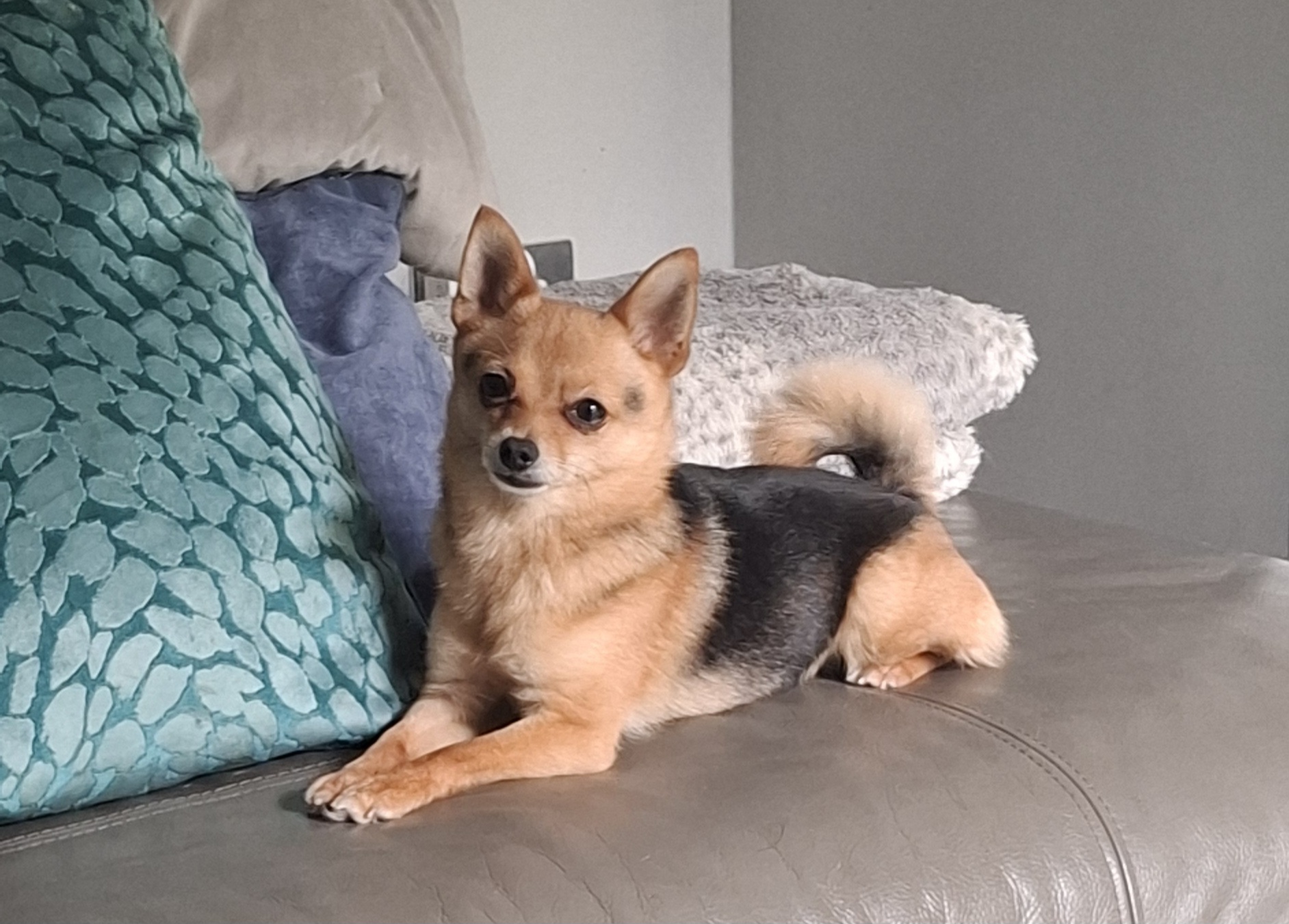
1. Choose the Right Puppy Food From Day One
One of the most important decisions you’ll make for your puppy is what to feed them.
Puppies grow so quickly, and their bodies need the right balance of protein, fats, vitamins and minerals to develop strong bones, healthy muscles and a good immune system.
Look for food that is:
• Specifically labelled for puppies
• Suitable for your puppy’s expected adult size
• Made with quality protein sources
• Nutritionally complete
Suddenly switching food can upset a puppy’s stomach, so if you plan to change what they were eating with the breeder or previous owner, do it gradually over a week or so. They’ll normally give you a small supply of this to go home with, or let you know where they buy it.
If you’re unsure which food is best, visiting a knowledgeable local pet shop can help. We regularly help new puppy owners in Bradford choose food suited to their dog’s breed, size and lifestyle.
Good nutrition in the early months really does set the foundation for lifelong health.
2. Create a Safe and Comfortable Space
Puppies need somewhere that feels like their own little den.
This gives them a place to relax, sleep and feel secure when everything around them is new and exciting. A new home can be a bit overwhelming for them, so it’s good to give them a place they can escape small children or other pets if they feel they need to.
Some essentials to consider include:
• A comfortable puppy bed
• A crate or quiet sleeping area
• Soft blankets
• Safe chew toys
Many owners choose crate training because dogs naturally like having a den-like space. When used correctly, a crate can also help with toilet training and prevent destructive behaviour when your puppy is unsupervised.
Just remember that crates should never be used as punishment. They should always be associated with comfort and safety. Our dogs are all crate-trained, and even as adults, they sometimes choose to go to their crates. We no longer close the doors, but they still like to have that space.
3. Start Training Early (And Keep It Positive)
Training doesn’t start when your puppy is older. It starts the moment they arrive home.
The good news is that puppies are extremely eager to learn, especially when training is consistent and reward-based.
Focus on teaching basic commands such as:
• Sit
• Stay
• Come
• Leave it
• Walking nicely on a lead
Short training sessions of just 5–10 minutes work best for puppies because their attention spans are limited.
Always reward good behaviour with praise, treats or play. This positive reinforcement helps your puppy understand what you want and builds trust between you.
Training early also prevents common problems like jumping up, biting hands during play, or pulling on the lead.
4. Socialisation Is Critical
Socialisation is one of the most important parts of raising a well-adjusted dog.
A puppy that experiences different people, animals, sounds and environments during the early months is far more likely to grow into a confident, well-behaved and obedient adult dog.
Good socialisation experiences might include:
• Meeting friendly dogs
• Seeing bicycles, prams and traffic
• Visiting parks and public spaces
• Meeting people of different ages
The key is to keep these experiences positive and gradual. Never overwhelm a puppy with too much at once.
Puppy training classes can also be a fantastic way to combine learning with safe socialisation. We’ll be sharing some ‘local to us’ classes on our website and Facebook, so look out for those. Your vet is also a good place to start, they often have puppy socialisation groups run by the nurses.
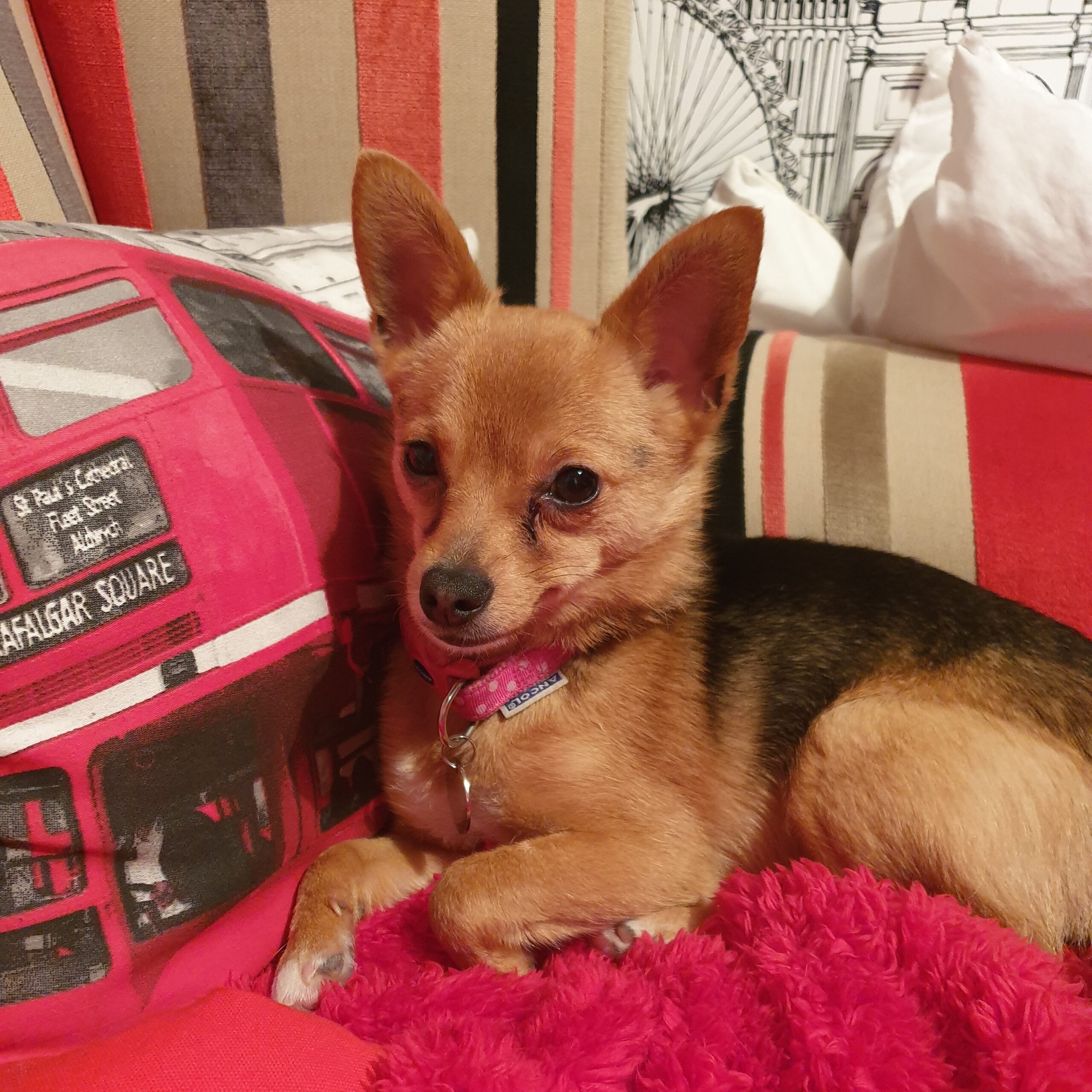
5. Provide Plenty of Safe Chew Toys
If there’s one thing every new puppy owner quickly learns, it’s that puppies love to chew.
Chewing is completely natural and helps puppies:
• Relieve teething discomfort
• Explore their environment
• Prevent boredom
Without the right outlets though, they may start chewing furniture, shoes or other household items.
Providing a range of durable chew toys helps redirect this behaviour to something safe.
Have a selection of toys and rotate them regularly so they stay interesting, and always choose toys appropriate for your puppy’s size and chewing strength.
6. Establish a Routine
Dogs thrive on routine, and puppies are no different.
A predictable daily routine helps them feel secure and also makes training much easier.
Try to keep consistent times for:
• Feeding
• Walks
• Toilet breaks
• Playtime
• Bedtime
Regular toilet breaks are especially important when house training. Puppies usually need to go out:
• After waking up
• After eating
• After play sessions
• Before bedtime
With patience and consistency, most puppies learn house training surprisingly quickly.
7. Regular Vet Care and Preventative Health
Looking after your puppy’s health from the beginning is essential.
Your vet will guide you through:
• Vaccinations
• Flea and worm treatments
• Microchipping
• Neutering advice
Regular health checks help catch any issues early and ensure your puppy is developing as they should.
Preventative care may seem like a small thing now, but it makes a big difference to your dog’s long-term wellbeing.
Bonus Tip: Build a Strong Bond With Your Puppy
Perhaps the most important tip of all is simply spending time together.
Puppies learn about the world through their relationship with you. Playtime, gentle training, walks and cuddles all help strengthen that bond.
The stronger the bond, the easier training becomes and the happier your dog will be.
Getting Ready for Puppy Life
Preparing properly before bringing your puppy home can make those first few weeks much smoother.
Some of the most useful puppy essentials include:
• Quality puppy food
• Food and water bowls
• A comfortable bed
• Training treats
• A collar, lead and ID tag
• Chew toys
• Grooming supplies
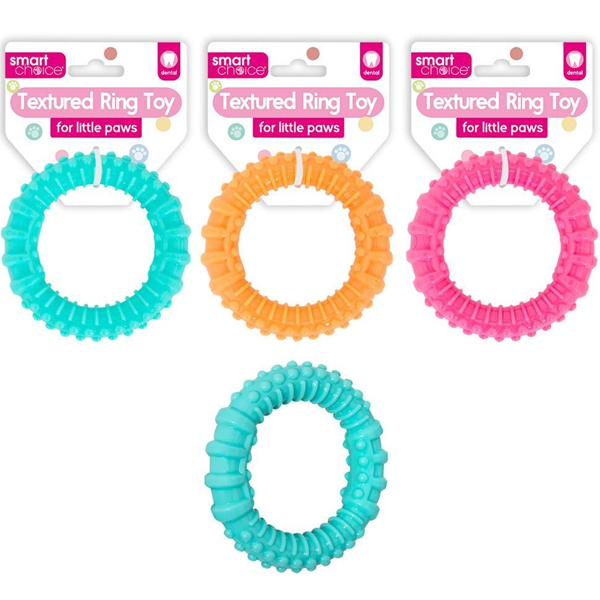
If you’re unsure what you need, a local pet shop can help you choose the right products for your puppy’s breed and age. Or you can download our New Puppy Checklist here.
Visit Your Local Bradford Pet Shop for Puppy Advice
Becoming a puppy owner is an incredible journey filled with fun, learning and plenty of muddy pawprints along the way.
At FourTails in Bradford, we’re passionate about helping local pet owners give their animals the very best care. Whether you need advice on puppy food, training treats, toys or everyday essentials, we’re always happy to help.
We hope that our tips for new puppy owners have been useful, and if you’re preparing for a new puppy or have recently welcomed one into your home, feel free to pop in and chat with us. We’d love to meet you and your new four-legged friend.