
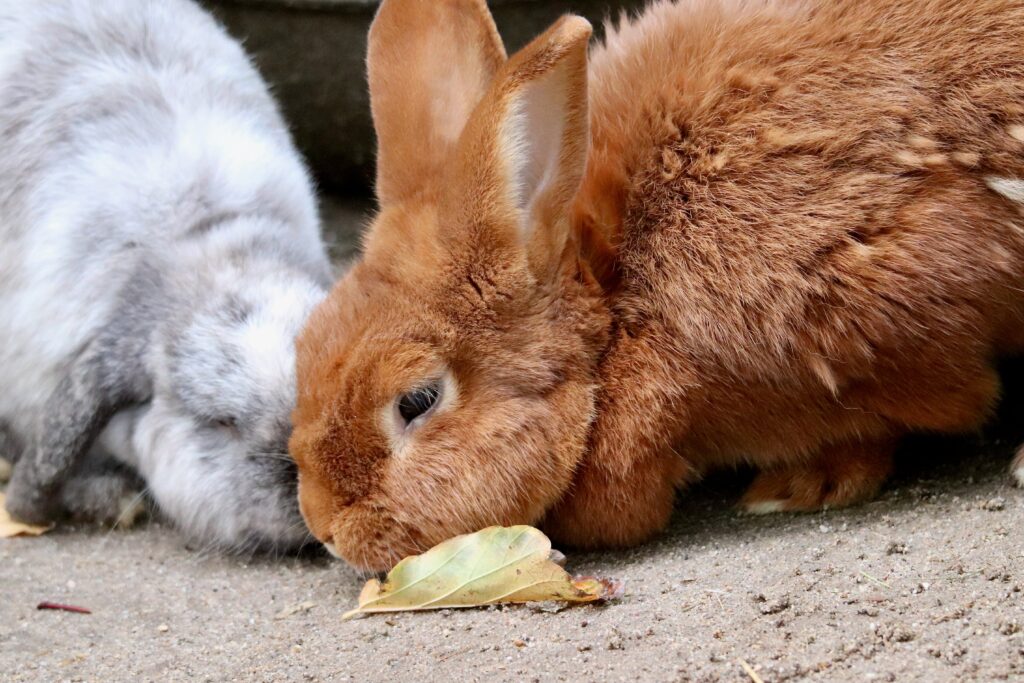
Bringing a rabbit home is exciting. They’re adorable, gentle, and full of personality. But many new owners underestimate just how specific their care needs are. Rabbits aren’t low-maintenance pets. In fact, they require just as much thought and planning as a dog or cat. If you’re new to rabbit ownership, here are 10 of the most common rabbit care mistakes people make and what you should do instead to keep your bunny happy and healthy.
1. Thinking Rabbits Are Easy, Low-Maintenance Pets
This is probably the biggest misconception.
Rabbits need daily interaction, space to exercise, mental stimulation, and a carefully managed diet. They can live 8–12 years, so they’re a long-term commitment too.
👉 What to do instead:
Treat your rabbit as a full family pet. Plan time, space, and budget just like you would for a dog or cat.
2. Feeding Too Many Pellets and Not Enough Hay
A lot of new owners rely heavily on pellets. It feels like the “main food” but actually, it shouldn’t be.
Hay should make up around 80–90% of your rabbit’s diet. It keeps their digestive system working properly and helps wear down their constantly growing teeth.
👉 What to do instead:
Make fresh hay available at all times. Use pellets sparingly and choose a high-quality option.
3. Not Providing Enough Space
Those small hutches you often see? They’re nowhere near big enough for a rabbit to live in full-time.
Rabbits need room to hop, stretch, and stand upright comfortably.
👉 What to do instead:
Think in terms of an enclosure or rabbit-proofed area, not just a hutch. Whether indoors or outdoors, space is essential for their wellbeing.
4. Keeping Rabbits Alone
Rabbits are highly social animals. Keeping one alone can lead to loneliness, boredom, and even depression.
👉 What to do instead:
Ideally, keep rabbits in bonded pairs. If that’s not possible, make sure you’re providing plenty of daily interaction and stimulation.
5. Skipping Regular Vet Care
Many people don’t realise rabbits need routine vet care, just like cats and dogs.
They require vaccinations and regular health checks, especially for teeth and digestion.
👉 What to do instead:
Register with a rabbit-savvy vet and stay on top of vaccinations and check-ups.
6. Not Understanding Rabbit Body Language
Rabbits are subtle communicators. Signs of stress or illness can be easy to miss if you don’t know what to look for.
👉 What to do instead:
Learn the basics. Things like hiding, reduced appetite, or sitting hunched can signal something is wrong.
7. Feeding Unsafe Foods
Not all vegetables are safe for rabbits, and sugary treats can cause serious digestive issues.
👉 What to do instead:
Stick to rabbit-safe greens like kale, parsley, and romaine lettuce. Avoid iceberg lettuce and limit fruit as an occasional treat.
8. Neglecting Mental Stimulation
A bored rabbit is a destructive rabbit. Chewing furniture, digging carpets, and general mischief often come from lack of enrichment.
👉 What to do instead:
Provide toys, tunnels, and chew items. Rotate them regularly to keep things interesting.
9. Poor Hygiene and Cleaning Habits
Dirty living conditions can quickly lead to health problems, including infections and flystrike in warmer months.
👉 What to do instead:
Clean living areas regularly. Fresh bedding, clean litter trays, and good ventilation are key.
10. Not Rabbit-Proofing Your Home
If your rabbit is indoors, your house becomes their playground. And that includes wires, furniture, and anything chewable.
👉 What to do instead:
Protect cables, remove hazards, and create a safe environment where your rabbit can explore freely.
Final Thoughts: Avoiding the Most Common Rabbit Care Mistakes
Most of these mistakes come down to one thing. Lack of information.
The good news is they’re all easy to fix once you know what your rabbit actually needs.
At FourTails, we’re here to help you get it right from day one. Whether you need advice on the best hay, safe foods, or enrichment toys, we’re always happy to chat and help you choose what’s right for your rabbit.
FAQs About Rabbit Care
How much hay should a rabbit eat daily?
Unlimited. Hay should always be available and make up the majority of their diet.
Can rabbits be kept indoors?
Yes, rabbits can thrive indoors as long as they have enough space and stimulation.
Do rabbits need vaccinations in the UK?
Yes. Vaccinations protect against serious diseases like myxomatosis and R(V)HD.
How long do rabbits live?
Typically between 8 and 12 years with proper care.