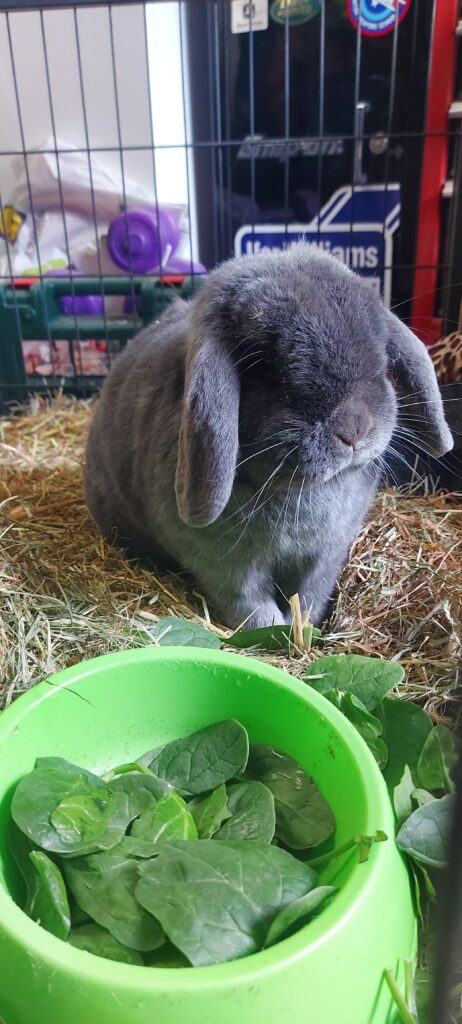
Rabbits might look like simple eaters, but their diet is actually one of the most important factors in keeping them healthy. Poor nutrition is one of the leading causes of dental disease, digestive issues, and obesity in pet rabbits. If you’ve recently welcomed a rabbit into your home, or just want to make sure you’re feeding them correctly, our rabbit diet guide will walk you through exactly what they should. and shouldn’t. be eating.
🥕 What Should a Rabbit Eat Daily?
A rabbit’s diet should be made up of three key components:
1. Hay (The Most Important Part)
Hay should make up around 80–90% of your rabbit’s diet.
It’s essential for:
- Keeping their teeth worn down (rabbit teeth never stop growing)
- Maintaining healthy digestion
- Preventing obesity
Best types of hay:
- Timothy hay
- Meadow hay
- Orchard grass
💡 Fresh hay should always be available. unlimited, every single day.
2. Fresh Greens (Daily Variety)
Fresh leafy greens provide vitamins and hydration. Aim for a small handful per kg of body weight per day.
Great options include:
- Romaine lettuce (not iceberg)
- Kale (in moderation)
- Coriander
- Parsley
- Spring greens
- Mint
💡 Introduce new greens slowly to avoid upsetting their stomach.
3. Rabbit Pellets (Small but Important)
Pellets should only make up about 5% of their diet.
Choose:
- High-fibre pellets (18%+ fibre)
- Plain nuggets (avoid muesli-style mixes)
Portion guide:
- About an egg-cup full per day for an average rabbit
💡 Muesli mixes can cause selective feeding, leading to nutrient deficiencies.
🍎 Safe Treats (Occasionally)
Treats should be given sparingly. think once or twice a week.
Safe treats:
- Apple (no seeds)
- Banana (very small amounts)
- Carrot (despite the myth, this is a treat, not a staple)
- Blueberries
💡 Too much sugar can upset gut health and lead to weight gain.
❌ What Rabbits Should NOT Eat
Some foods can be harmful. or even dangerous. for rabbits.
Avoid completely:
- Iceberg lettuce (can cause digestive upset)
- Onions, garlic, leeks
- Chocolate or sugary foods
- Bread, biscuits, or processed foods
- Dairy products
Be cautious with:
- Spinach (high in oxalates)
- Kale (can cause bloating in large amounts)
- Fruit (high sugar)
💧 Don’t Forget Water
Fresh, clean water should always be available.
- Use a heavy bowl rather than a bottle if possible
- Change water daily
Hydration is key for preventing digestive issues.
🐰 Why Diet Matters So Much
A poor diet can quickly lead to:
- Dental disease
- Gut stasis (a potentially life-threatening condition)
- Obesity
- Nutritional deficiencies
Rabbits rely on a high-fibre diet to keep their digestive system moving properly. Without enough fibre, their gut can slow down or stop completely.
🛒 Choosing the Right Food for Your Rabbit
Not all rabbit food is created equal. When shopping, always check:
- Fibre content (higher is better)
- Simple ingredient lists
- No added sugars or artificial extras
If you’re unsure what’s best, it’s always worth getting advice tailored to your rabbit’s age, size, and lifestyle.
📍 Need Help with Your Rabbit’s Diet?
At our pet shop in Bradford, we stock a carefully selected range of high-quality hay, nuggets, and healthy treats for rabbits and small pets.
We’re always happy to help you choose the right products and make sure your rabbit is getting exactly what they need to stay happy and healthy.
❓ FAQ: Rabbit Diet
How much hay should my rabbit eat?
As much as they want. Hay should always be available and make up the majority of their diet.
Can rabbits eat carrots every day?
No. Carrots are high in sugar and should only be given occasionally.
Do rabbits need pellets?
Yes, but only in small amounts. Hay should always be the main focus.
Can rabbits eat grass from the garden?
Yes, as long as it’s fresh, untreated, and introduced gradually.