
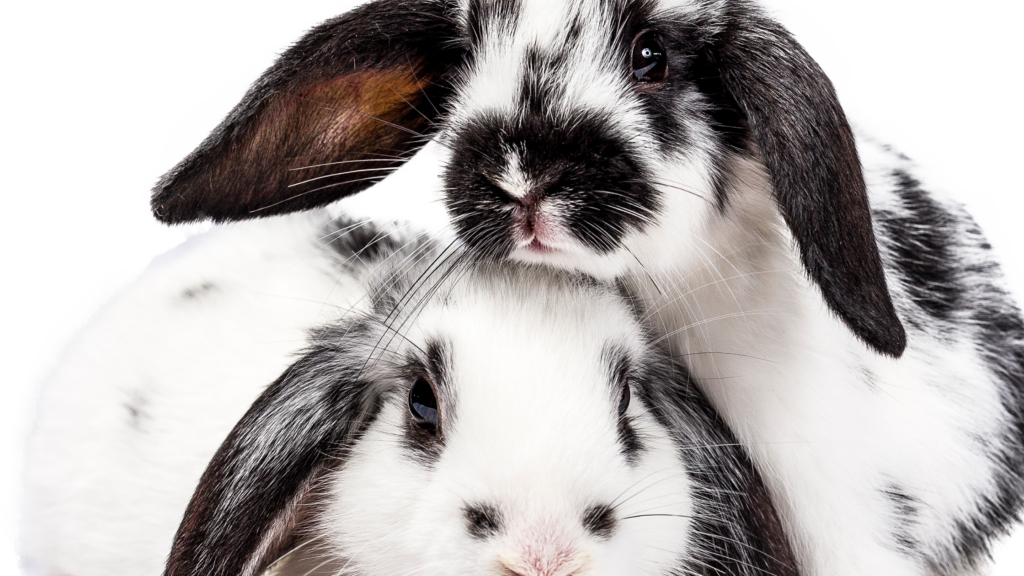
Rabbits are one of the most popular small pets in the UK. They’re intelligent, affectionate, and full of personality. But despite their popularity, many new owners underestimate just how much care rabbits need to live happy and healthy lives.
Unlike hamsters or fish, rabbits require space, social interaction, specialist diets, and regular health checks. When cared for properly, rabbits can live 8 to 12 years, making them a long-term commitment for families.
Whether you’re bringing home your first bunny or looking to improve your rabbit’s care routine, this guide covers everything you need to know about caring for your rabbit including feeding, housing, health, and enrichment for rabbits.
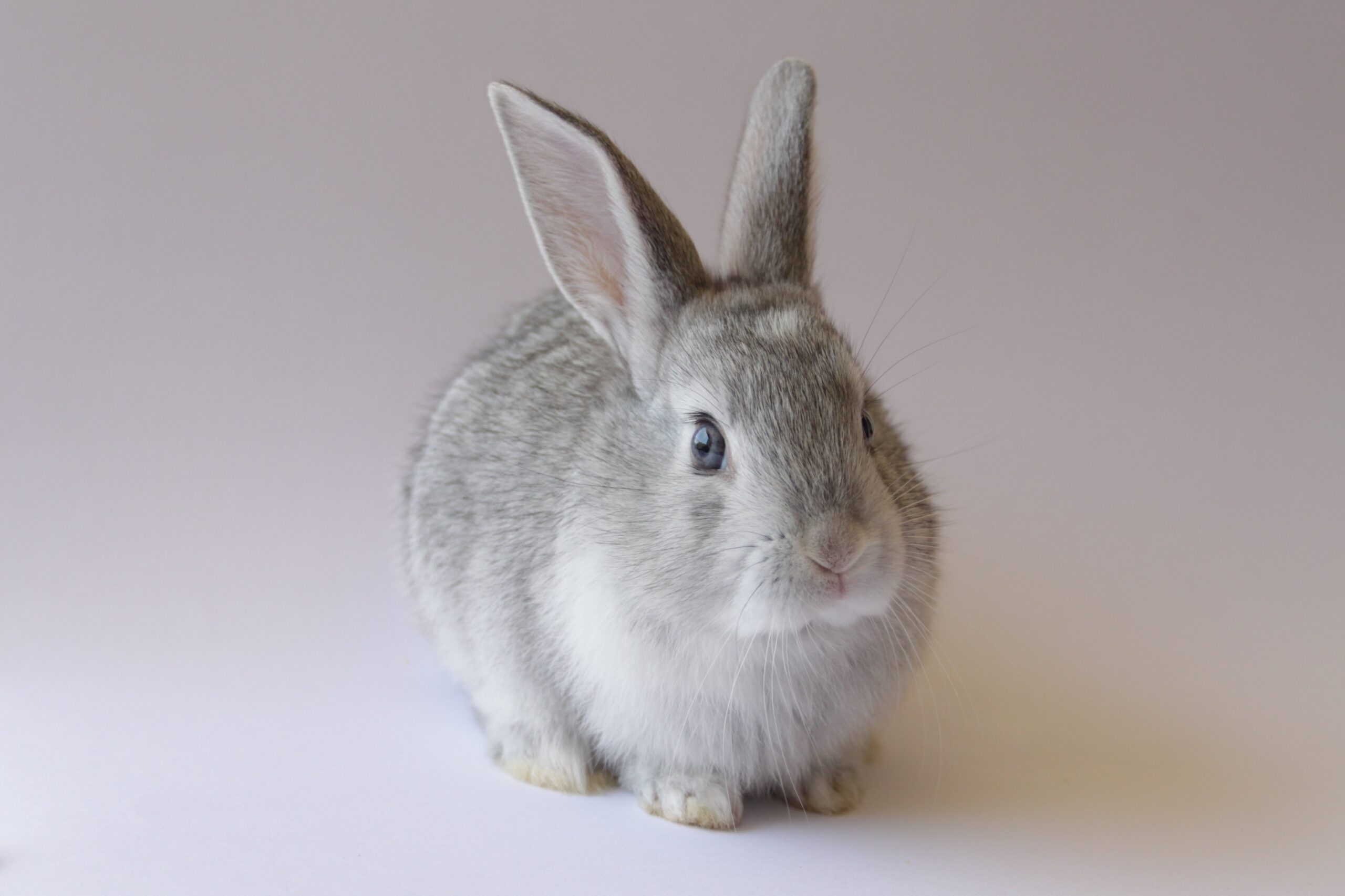
1. The Right Diet Is the Foundation of Rabbit Health
One of the most important aspects of caring for your rabbit is diet. Many health problems in rabbits are caused by poor nutrition, so getting this right from the beginning is essential.
A healthy rabbit diet should consist of three main components.
Hay (The Most Important Food)
Around 80–90% of your rabbit’s diet should be hay.
Hay keeps a rabbit’s digestive system working properly and also helps wear down their teeth, which grow continuously throughout their lives.
Good options include:
- Timothy hay
- Meadow hay
- Orchard grass hay
Hay should always be fresh, clean, and available at all times.
Fresh Vegetables
Fresh greens provide important vitamins and variety.
Safe vegetables for rabbits include:
- Romaine lettuce
- Spring greens
- Coriander
- Parsley
- Kale (in moderation)
- Basil
Introduce new vegetables slowly to avoid digestive upset.
Quality Rabbit Pellets
Pellets should only make up a small portion of the diet.
Choose high-quality rabbit pellets that are:
- High in fibre
- Low in sugar
- Free from colourful additives
A small handful per day is usually enough for an adult rabbit.
Fresh Water
Always provide fresh, clean water. Many rabbits prefer a bowl rather than a bottle.
2. Rabbits Need More Space Than Most People Think
A common mistake new owners make is keeping rabbits in small hutches.
Rabbits need plenty of space to run, stretch, and explore. In fact, animal welfare organisations recommend rabbits have a large hutch plus a secure run or free-roam space.
Ideal Rabbit Housing
A good rabbit setup should include:
- A large sleeping area or hutch
- A secure exercise run
- Space to stand fully upright
- Room to hop at least three times in a row
Rabbits can live happily:
- Outdoors in a spacious hutch and run
- Indoors in a rabbit-proofed room or enclosure
Wherever they live, the space should be clean, safe, and protected from extreme weather.
3. Rabbits Are Social Animals
Many people don’t realise that rabbits are highly social animals.
In the wild they live in groups, and they often become lonely when kept alone.
For this reason, experts often recommend keeping rabbits in pairs, usually a neutered male and female.
Benefits of keeping rabbits together include:
- Reduced loneliness
- More natural behaviour
- Better mental stimulation
- Happier pets overall
If keeping a single rabbit, they’ll need lots of daily interaction and enrichment to stay mentally healthy.
4. Enrichment and Toys Are Essential
Rabbits are curious and intelligent. Without enough stimulation they can quickly become bored.
Bored rabbits may start chewing furniture, digging carpets, or becoming withdrawn.
Providing enrichment helps keep rabbits mentally and physically active.
Great Rabbit Enrichment Ideas
Rabbits love activities that mimic natural behaviour like chewing, digging, and exploring.
Some good enrichment options include:
- Wooden chew toys
- Cardboard tunnels
- Dig boxes filled with shredded paper or hay
- Treat puzzle toys
- Willow balls and sticks
Rotating toys regularly keeps things interesting and prevents boredom.
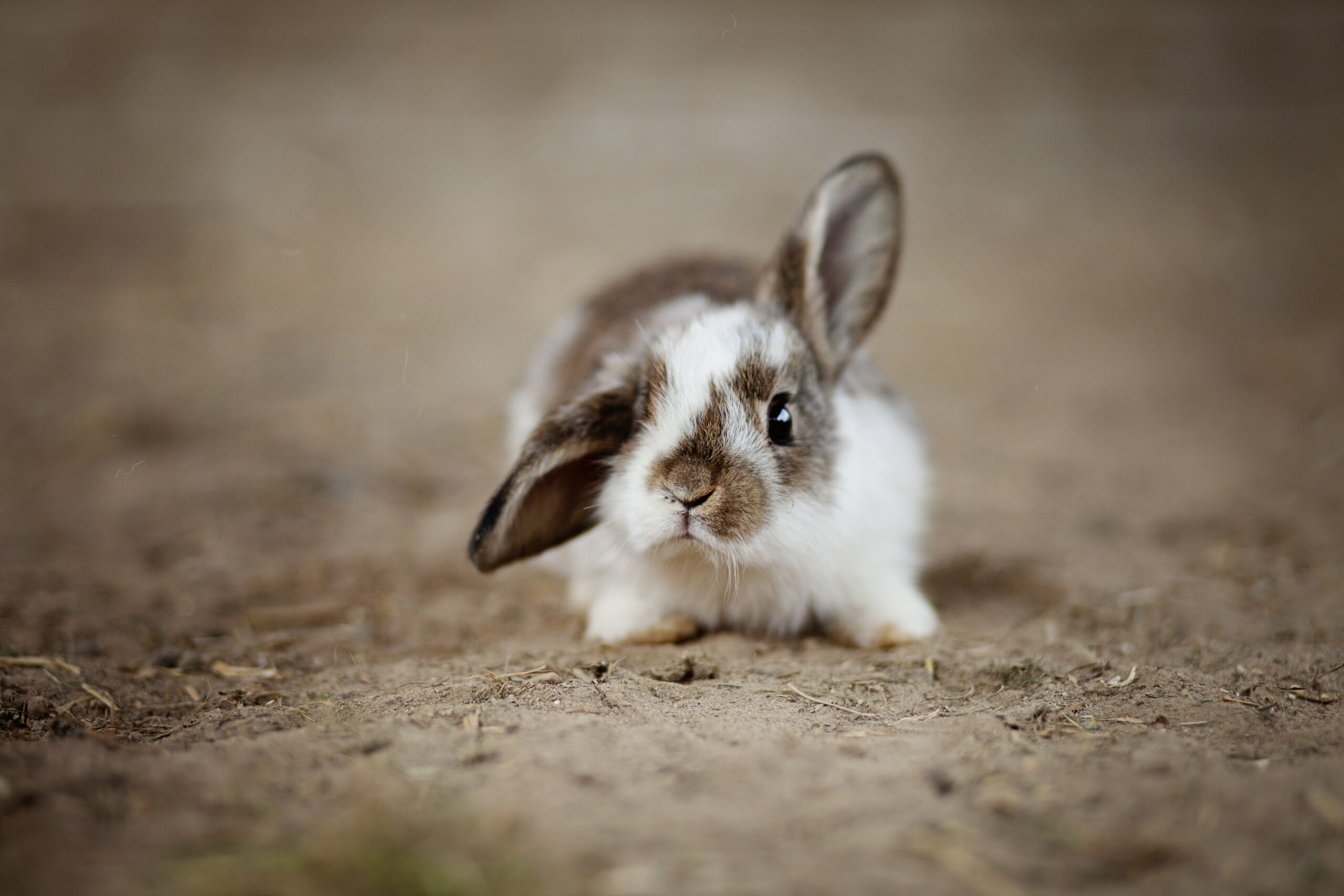
5. Grooming and Health Care
Although rabbits are generally clean animals, they still need regular grooming and health checks.
Brushing
Long-haired rabbits need brushing several times a week.
Short-haired rabbits benefit from brushing during moulting seasons to remove loose fur.
This helps prevent rabbits from swallowing too much hair while grooming themselves.
Nail Trimming
Rabbit nails grow continuously and may need trimming every 4 to 6 weeks.
If nails become too long they can cause discomfort or affect the rabbit’s posture.
Regular Vet Care
Rabbits should be registered with a rabbit-friendly vet and receive routine vaccinations.
In the UK, rabbits are usually vaccinated against:
- Myxomatosis
- Rabbit Viral Haemorrhagic Disease (RHD)
Routine health checks can help spot problems early.
6. Understanding Rabbit Behaviour
Learning how rabbits communicate helps build a stronger bond with your pet.
Rabbits have some unique behaviours that may look strange at first.
The “Binky”
A binky is when a rabbit jumps and twists in the air.
This is a sign of pure happiness.
Thumping
Rabbits sometimes thump their back feet when they feel scared or alarmed.
Licking
When a rabbit licks you, it’s usually a sign of affection.
Flopping
A rabbit suddenly lying on its side often means it feels completely relaxed and safe.
Understanding these behaviours helps owners know when their rabbit is happy and comfortable.
7. Keeping Your Rabbit Safe
Rabbits are naturally curious and love to chew, which means rabbit-proofing their environment is important.
Common household hazards include:
- Electrical cables
- Toxic houseplants
- Small plastic objects
- Furniture with loose fabric
If rabbits live indoors, protecting cables and removing dangerous items is essential.
Outdoor rabbits should also be protected from predators with secure hutches and runs.
8. Rabbits Make Wonderful Family Pets
With the right care, rabbits can be affectionate, entertaining, and rewarding pets.
They often form strong bonds with their owners and enjoy gentle interaction.
However, rabbits generally prefer:
- Calm environments
- Gentle handling
- Time to approach people themselves
Teaching children how to interact with rabbits respectfully helps build positive relationships for everyone.
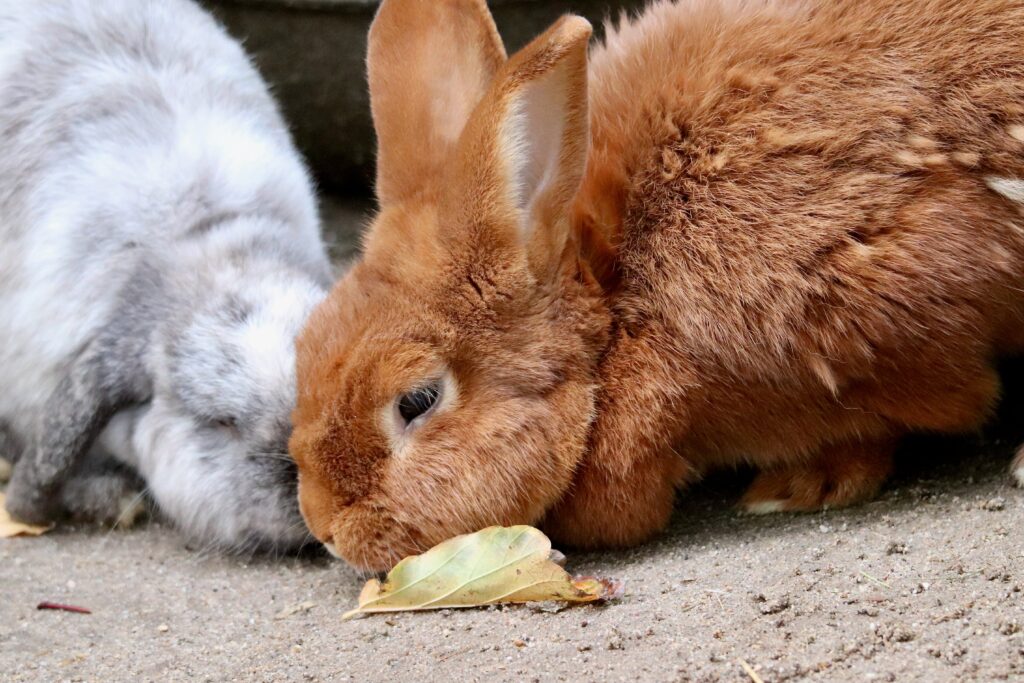
Final Thoughts: Giving Your Rabbit the Best Life
A well-cared-for rabbit is a happy, healthy, and much-loved member of the family.
Rabbits may be small pets, but they have big personalities and complex care needs. Providing the right diet, space, companionship, and enrichment can make a huge difference to their wellbeing.
When rabbits receive proper care, they reward their owners with years of companionship, playful behaviour, and plenty of adorable binkies.
If you’re thinking about bringing a rabbit into your home, or simply want to make sure you’re giving your bunny the best possible care, we’re always happy to help. Our family-friendly pet shop in Bradford is built around a love of animals and community, and we’re here to help you find the right food, bedding, toys, and advice on your rabbit.
Still have questions about caring for your rabbit? Below are some of the most common questions rabbit owners ask.
Rabbit Care FAQs
How often should you feed a rabbit?
Rabbits should have unlimited access to fresh hay at all times, as this makes up the majority of their diet and keeps their digestive system healthy.
Fresh, clean water should always be available in a bowl or bottle.
In addition to hay, rabbits can have a small daily portion of high-quality pellets and a handful of fresh leafy greens such as romaine lettuce, coriander, or spring greens.
Can rabbits live indoors?
Yes, rabbits can live very happily indoors if they have enough space to move around and explore. Many owners keep rabbits in a rabbit-proofed room or indoor enclosure.
Indoor rabbits should still have plenty of enrichment such as tunnels, chew toys, and hiding places. It’s also important to protect electrical cables and remove anything unsafe for chewing.
Do rabbits need a companion?
Rabbits are naturally social animals and usually thrive when kept with another rabbit. A bonded pair often keeps each other company, grooms each other, and plays together.
If keeping two rabbits, they should normally be neutered and carefully bonded to avoid territorial behaviour.
Single rabbits can still live happy lives but will need lots of attention, interaction, and enrichment from their owners.
How long do pet rabbits live?
With proper care, rabbits typically live between 8 and 12 years, although some can live even longer.
Providing a healthy diet, regular vet care, plenty of exercise, and mental stimulation all help rabbits live longer, happier lives.
What toys do rabbits like?
Rabbits enjoy toys that allow them to chew, dig, and explore, as these mimic their natural behaviours.
Popular rabbit toys include:
- Willow balls and chew sticks
- Wooden chew toys
- Cardboard tunnels
- Dig boxes filled with shredded paper or hay
- Treat puzzle toys
Rotating toys regularly helps keep rabbits mentally stimulated and prevents boredom.
How often should rabbit hutches be cleaned?
Rabbit living areas should be spot cleaned daily to remove wet bedding and droppings.
A more thorough clean should be done at least once a week, replacing bedding and washing food bowls, litter trays, and surfaces.
Keeping your rabbit’s home clean helps prevent odours and supports good health.
What should you never feed a rabbit?
Some foods can be harmful to rabbits and should be avoided.
These include:
- Chocolate
- Onions and garlic
- Iceberg lettuce
- Sugary treats
- Processed human foods
Rabbits have very sensitive digestive systems, so it’s always safest to stick to hay, rabbit pellets, and rabbit-safe vegetables.
Where can I buy rabbit supplies in Bradford?
If you’re local to Bradford, visit FourTails at Royds Enterprise Park where we’ll help you choose the right products for your rabbit. Quality hay, nutritious rabbit food, enrichment toys, and comfortable bedding all play an important role in keeping rabbits healthy and happy.
Our knowledgeable team can also help answer questions about diet, housing, and enrichment if you’re new to rabbit ownership.